Shopping cart
You have 0 Item in your cart
Language and Shipping
Choose your language and shipping country in order to see correct pricing, delivery times and shipping costs.
Language and Shipping
Diamonds – The Icon of Love
The diamond is the eternal symbol of love. But a larger diamond does not always mean more carats, and not all diamonds sparkle in the same way. What is the difference between a lab-grown and a natural diamond?
Diamonds – natural or created through technology
A natural diamond is made of carbon that has been compressed deep within the earth over billions of years under extreme heat and pressure — a process that makes every diamond unique. A lab-grown diamond, also known as a synthetic diamond, is created using advanced technology that replicates nature’s own process. Carbon crystallises under high pressure or through chemical vapour deposition, allowing the diamond’s crystal structure to develop in the same way as a natural diamond. The difference lies in time — what takes nature billions of years can be recreated in a laboratory within a few weeks.
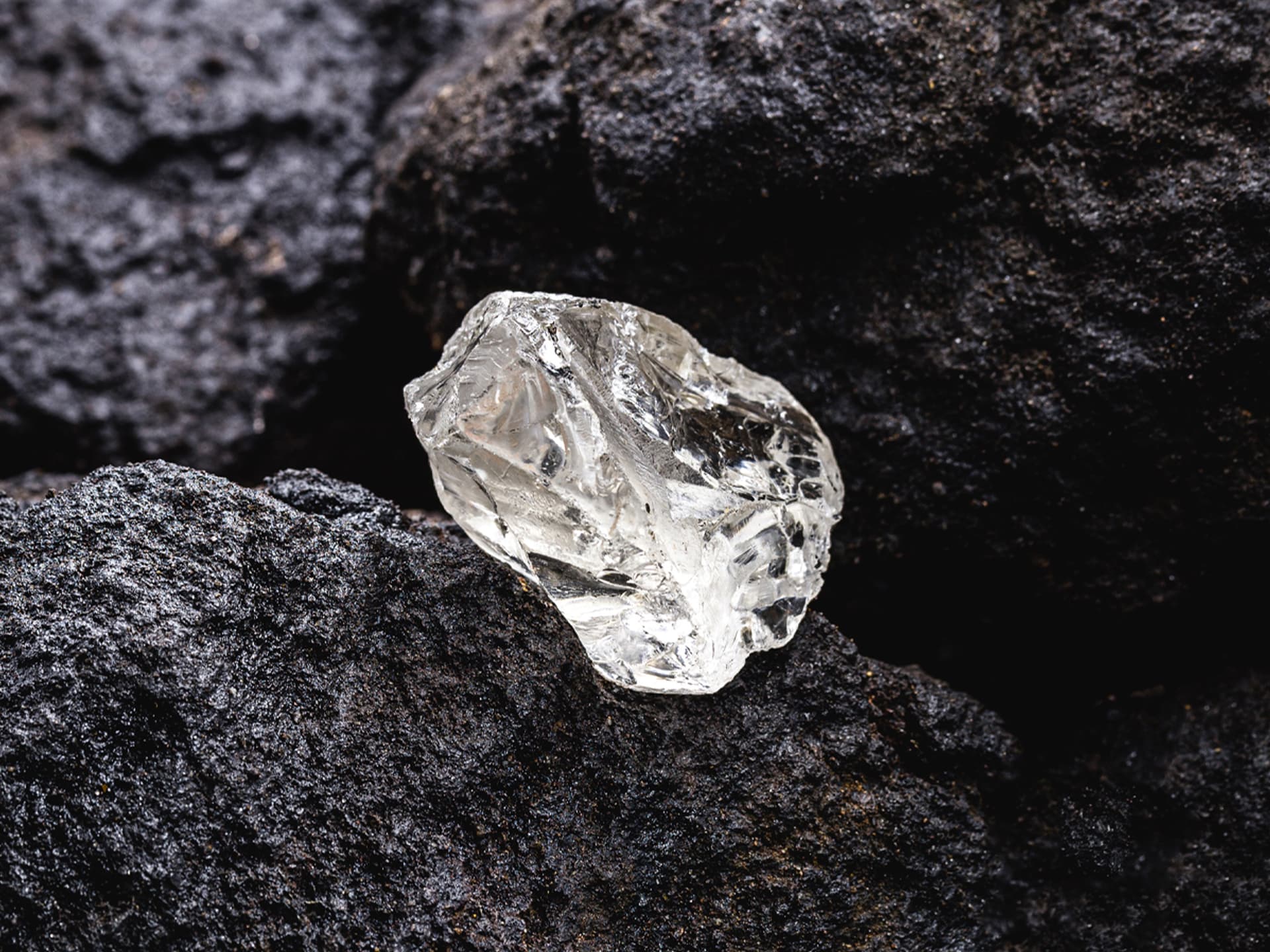
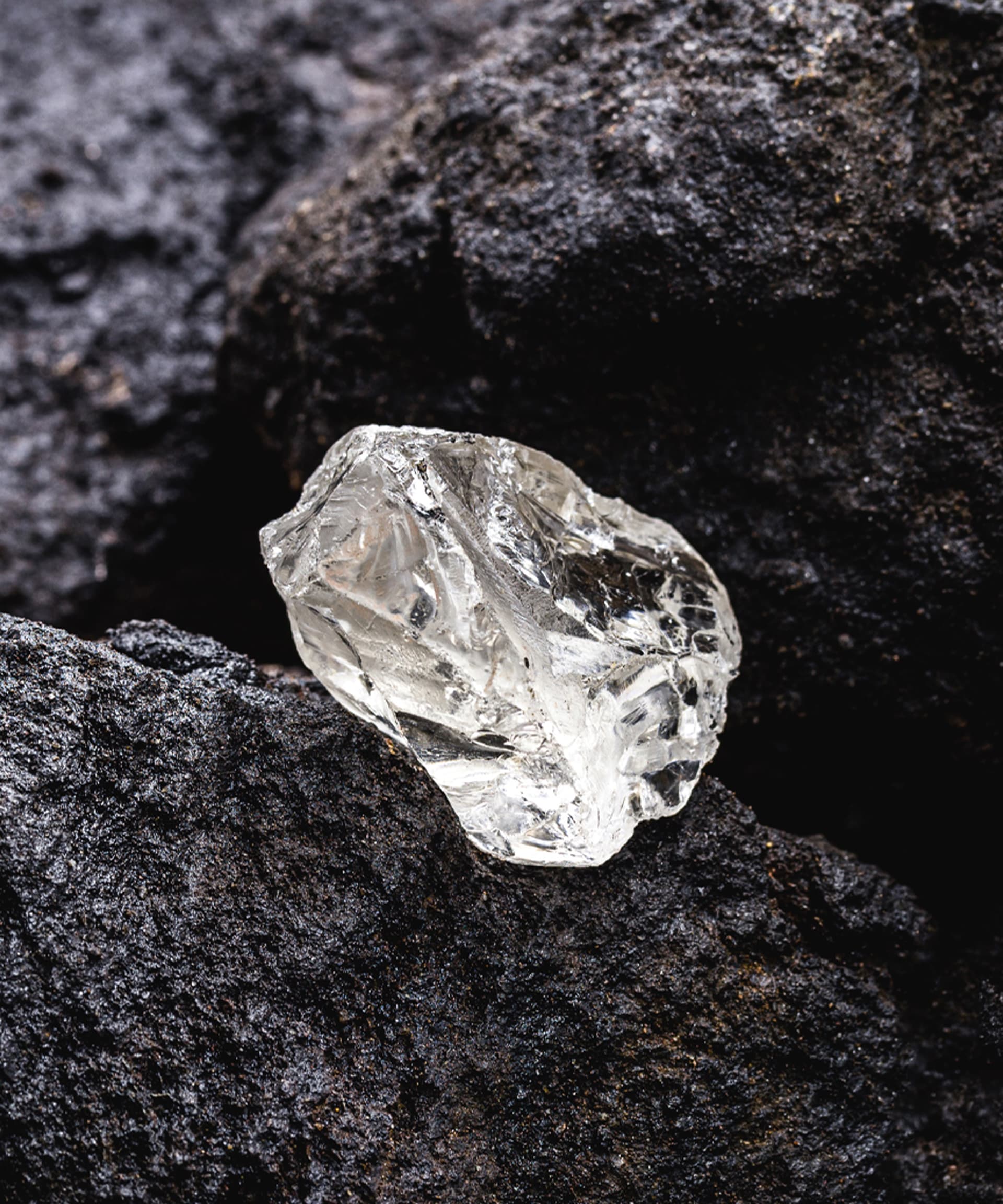
When a diamond is discovered in a diamond mine, it is raw and unpolished, far from the sparkling gemstone we recognise. Diamonds were formed millions of years ago around 200 kilometres beneath the earth’s surface and were slowly transported upwards through volcanic activity. As the lava cooled, the rough diamonds became embedded in the bedrock, where they remained until discovered.
Diamonds – natural or created through technology
A natural diamond is made of carbon that has been compressed deep within the earth over billions of years under extreme heat and pressure — a process that makes every diamond unique. A lab-grown diamond, also known as a synthetic diamond, is created using advanced technology that replicates nature’s own process. Carbon crystallises under high pressure or through chemical vapour deposition, allowing the diamond’s crystal structure to develop in the same way as a natural diamond. The difference lies in time — what takes nature billions of years can be recreated in a laboratory within a few weeks.
When a diamond is discovered in a diamond mine, it is raw and unpolished, far from the sparkling gemstone we recognise. Diamonds were formed millions of years ago around 200 kilometres beneath the earth’s surface and were slowly transported upwards through volcanic activity. As the lava cooled, the rough diamonds became embedded in the bedrock, where they remained until discovered.
I Lab You
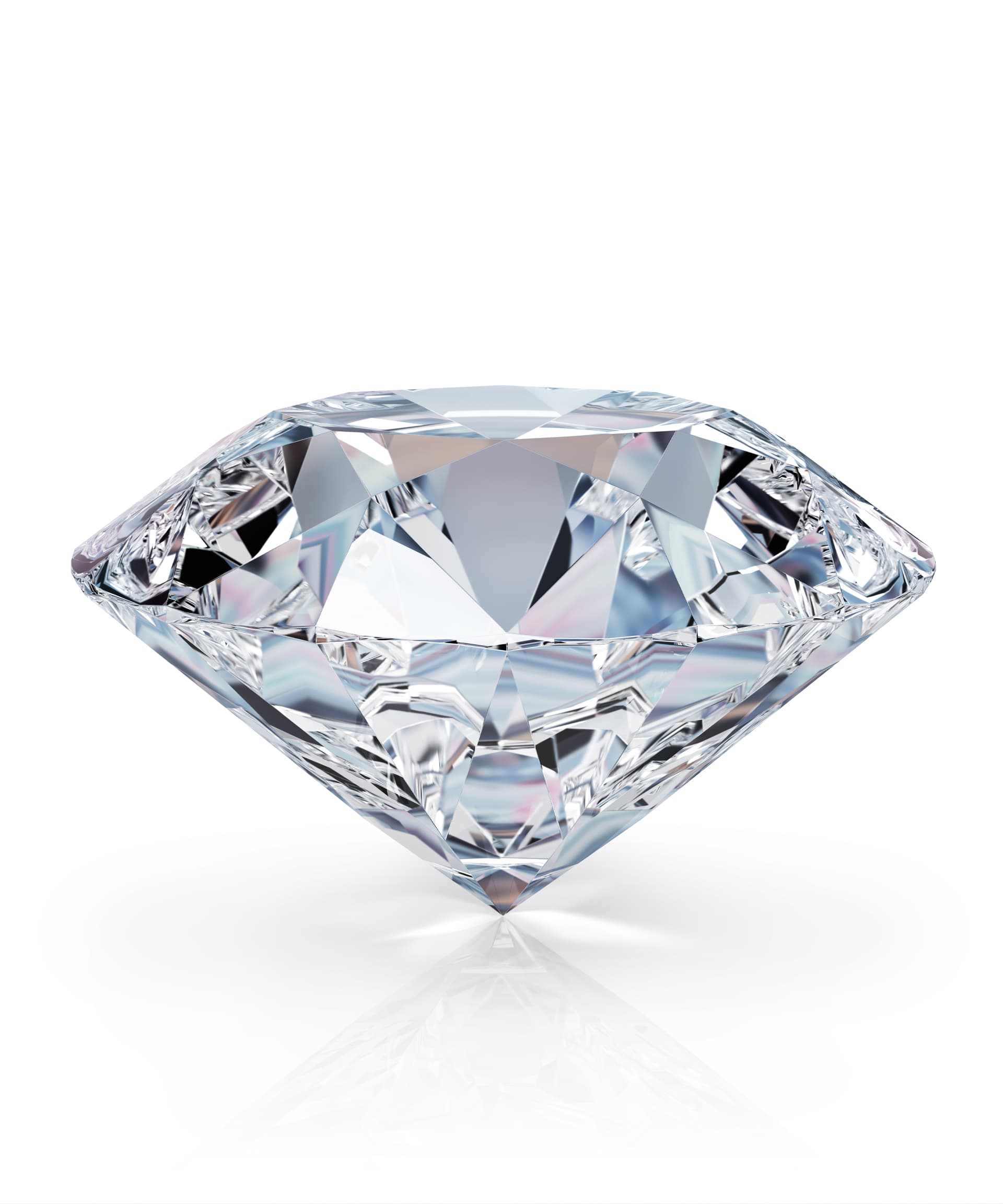
Lab-grown diamonds are created by recreating nature’s own process — but in a controlled environment. Under high pressure and intense heat, pure carbon crystallises into a diamond with the same properties and brilliance as a natural diamond. What takes nature billions of years can now happen within a few weeks — with the same light, clarity and strength. The origin does not change the diamond’s characteristics.
The two most common methods used to create a lab-grown diamond are:
CVD – Chemical Vapor Deposition
In this process, a thin diamond seed is placed inside a vacuum chamber filled with carbon-rich gases. Through high temperatures, the gases break down and carbon atoms gradually bond to the diamond seed layer by layer, allowing the diamond to grow over time.
HPHT – High Pressure High Temperature
This method replicates the natural formation process of diamonds deep within the earth. A diamond seed is exposed to extremely high pressure and temperatures together with carbon material, causing the diamond to crystallise and grow.
I Lab You
Lab-grown diamonds are created by recreating nature’s own process — but in a controlled environment. Under high pressure and intense heat, pure carbon crystallises into a diamond with the same properties and brilliance as a natural diamond. What takes nature billions of years can now happen within a few weeks — with the same light, clarity and strength. The origin does not change the diamond’s characteristics.
The two most common methods used to create a lab-grown diamond are:
CVD – Chemical Vapor Deposition
In this process, a thin diamond seed is placed inside a vacuum chamber filled with carbon-rich gases. Through high temperatures, the gases break down and carbon atoms gradually bond to the diamond seed layer by layer, allowing the diamond to grow over time.
HPHT – High Pressure High Temperature
This method replicates the natural formation process of diamonds deep within the earth. A diamond seed is exposed to extremely high pressure and temperatures together with carbon material, causing the diamond to crystallise and grow.
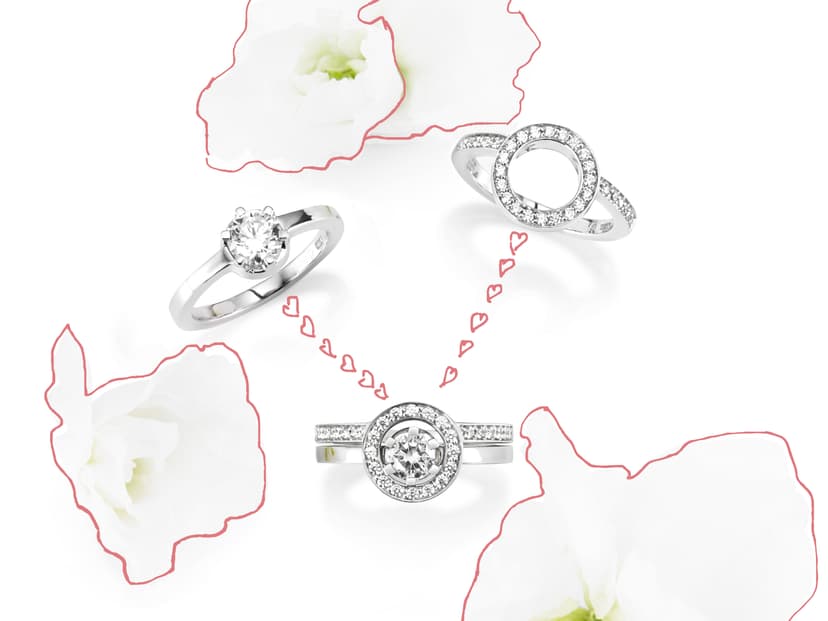
Lab-Grown or Natural?
Lab-grown and natural diamonds share the same brilliance, hardness and optical properties — the difference lies in how they are created. A natural diamond is formed by nature over millions of years and carries a unique history, while a lab-grown diamond is created using advanced technology in a controlled environment. Read more about the differences here.
Lab-Grown or Natural?
Lab-grown and natural diamonds share the same brilliance, hardness and optical properties — the difference lies in how they are created. A natural diamond is formed by nature over millions of years and carries a unique history, while a lab-grown diamond is created using advanced technology in a controlled environment. Read more about the differences here.
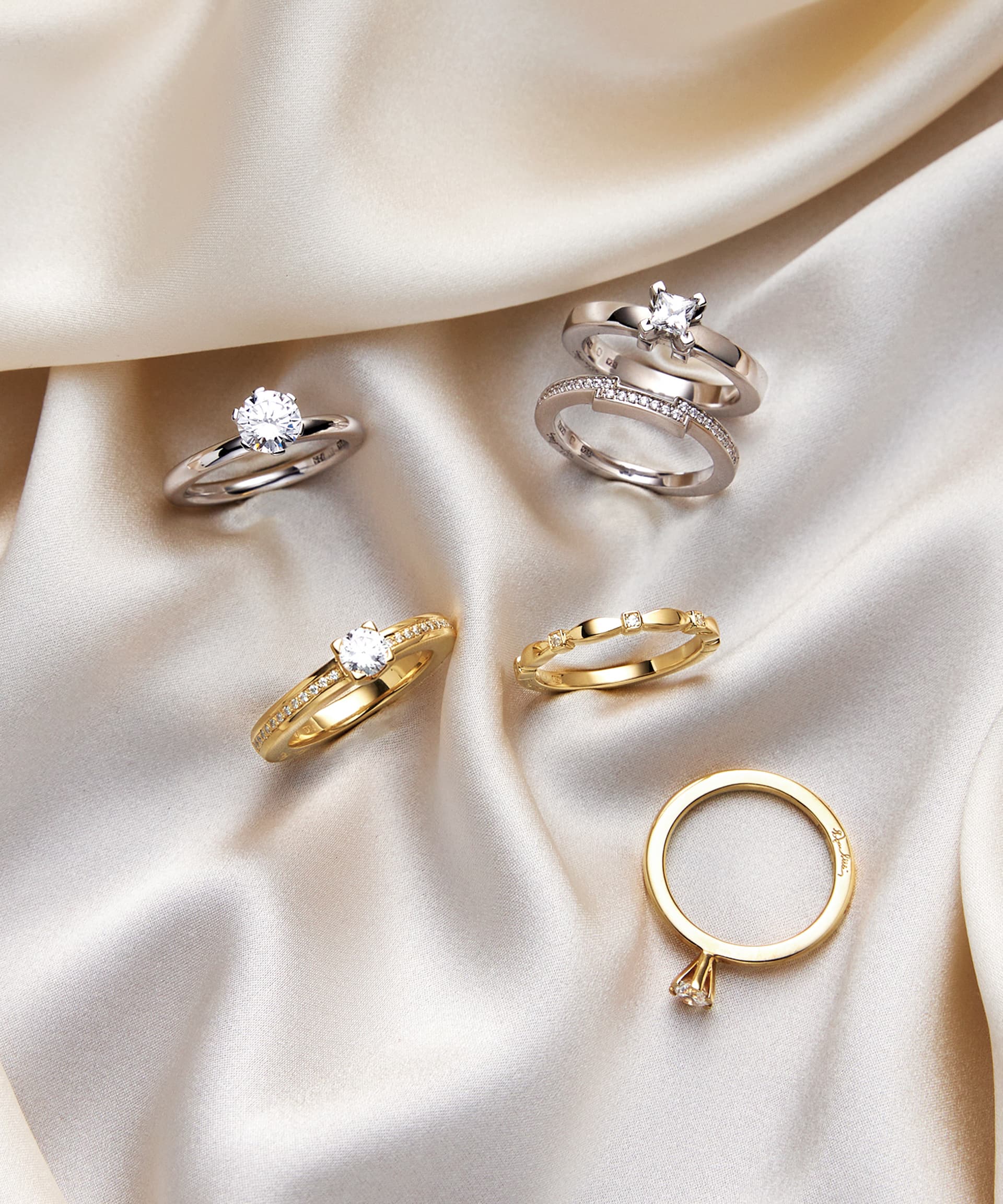
Certification – GIA & IGI
When purchasing a natural diamond ring of 0.40 ct or above, or a lab-grown diamond of 0.30 ct or above, an international certificate issued by GIA (Gemological Institute of America) or IGI (International Gemological Institute) is included. The certificate verifies the diamond’s authenticity, origin and quality.
It serves as a guarantee of the diamond’s characteristics and transparency, while also acting as an important document for future valuation and insurance purposes.
Conflict-Free Diamonds
For us, it is equally important that the materials we use come from responsible sources. That is why we only work with diamond suppliers who comply with the Kimberley Process Certification Scheme, ensuring that our natural diamonds are conflict-free.
Only a small fraction of all rough diamonds discovered are of high enough quality to be cut and used in jewellery.
Certification – GIA & IGI
When purchasing a natural diamond ring of 0.40 ct or above, or a lab-grown diamond of 0.30 ct or above, an international certificate issued by GIA (Gemological Institute of America) or IGI (International Gemological Institute) is included. The certificate verifies the diamond’s authenticity, origin and quality.
It serves as a guarantee of the diamond’s characteristics and transparency, while also acting as an important document for future valuation and insurance purposes.
Conflict-Free Diamonds
For us, it is equally important that the materials we use come from responsible sources. That is why we only work with diamond suppliers who comply with the Kimberley Process Certification Scheme, ensuring that our natural diamonds are conflict-free.
Only a small fraction of all rough diamonds discovered are of high enough quality to be cut and used in jewellery.
Choose your diamond